
Shaping the IoT future
across all market sectors



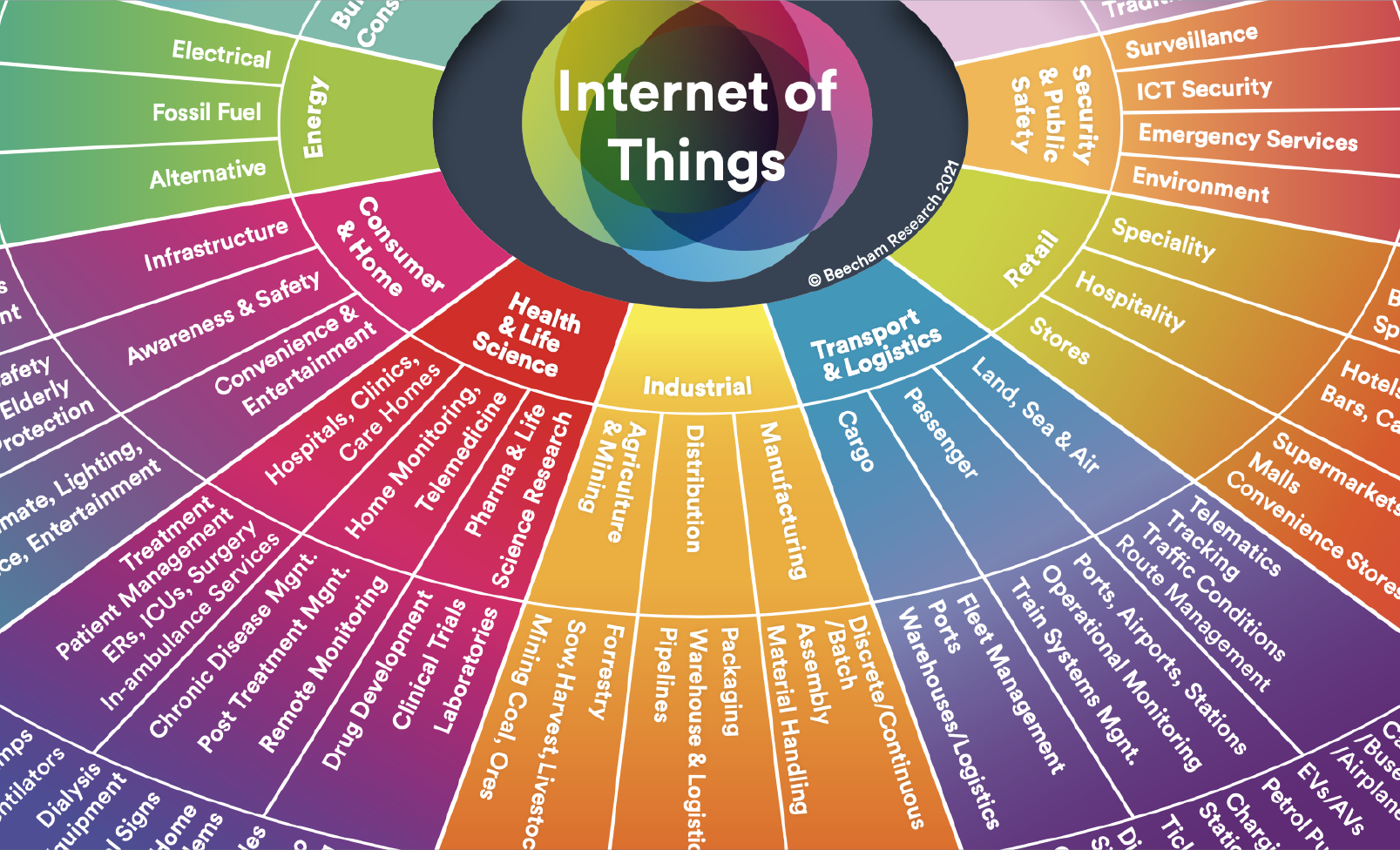
The World of IoT Sector Map is Beecham Research’s definitive visual framework for understanding how connected technologies create value across the global IoT ecosystem. First launched in 2008 and continually updated, the map identifies the nine major IoT business sectors, their application groups, and more than 100 categories of connected devices. It is designed for strategists, product leaders and market planners who need a clear view of where IoT adoption is accelerating and where new opportunities are emerging. Download the latest edition to inform market segmentation, validate go-to-market plans and strengthen your IoT strategy.
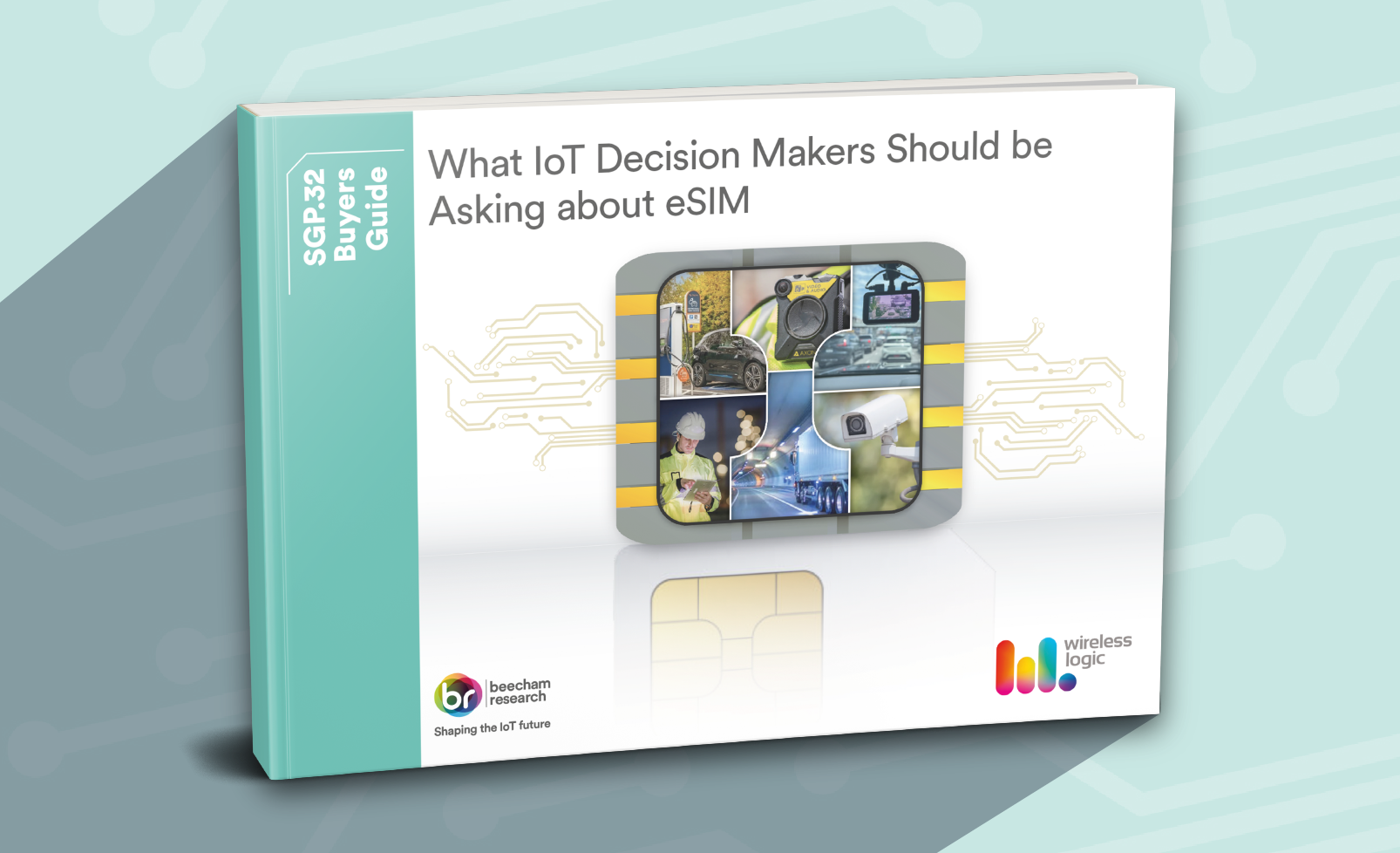
SGP.32 is reshaping IoT connectivity – how devices are provisioned, localised and governed at global scale. This independent Beecham Research guide strips away technical noise and focuses on the outcomes that matter, so you can make confident, goal-aligned decisions.
Discover stakeholder-specific benefits for OEMs/ODMs, integrators, service providers and connected enterprises, plus high-value use cases in healthcare, video security, EV charging, EV telematics and field operations.
Use the decision checklist and RFI questions to choose your eSIM strategy with confidence – optimising cost, uptime and full lifecycle control.
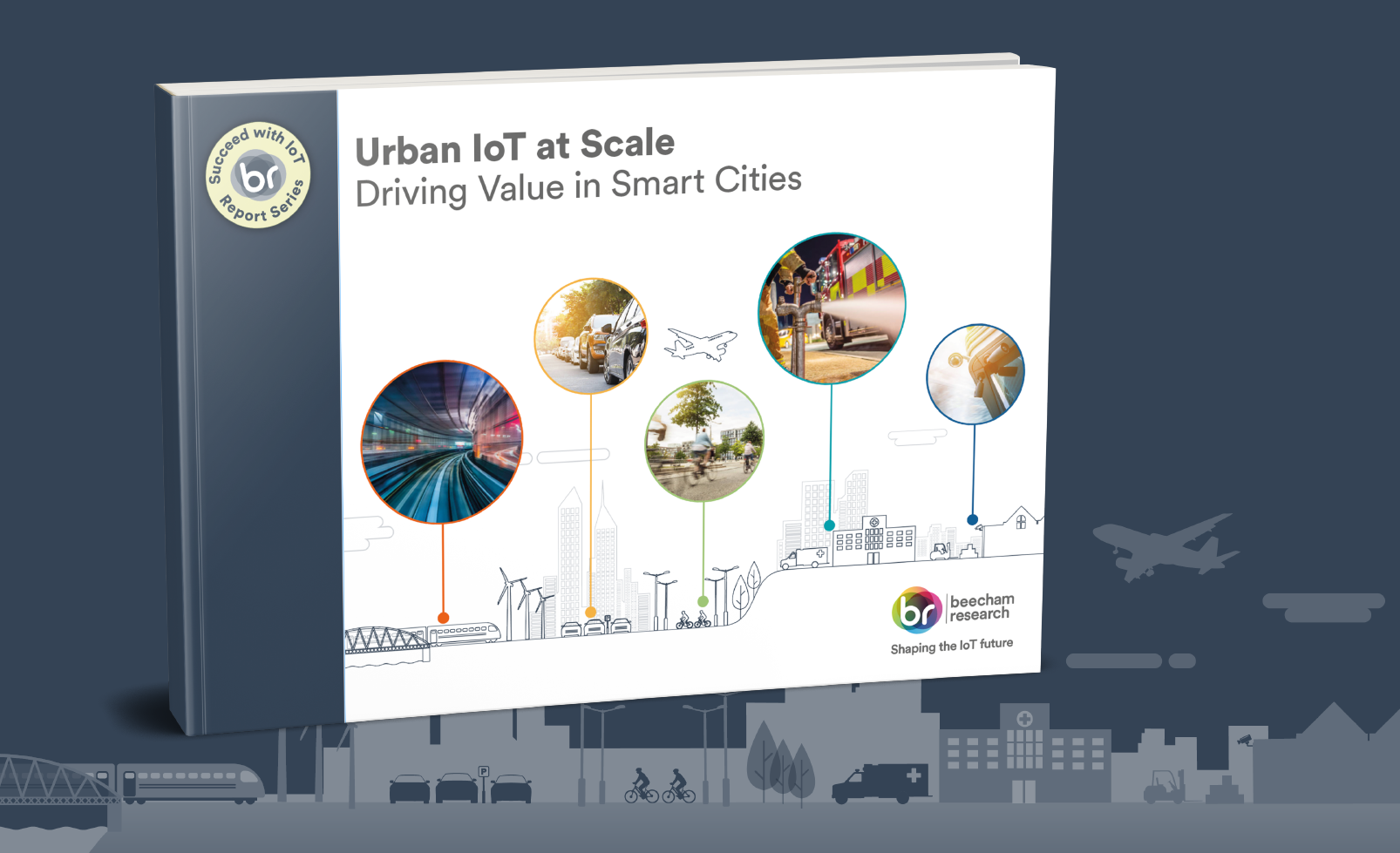
In today’s urban landscape, smart cities are defined by integration – not standalone pilots.
City leaders, solution providers and systems integrators must connect services, align data and deliver measurable outcomes; without a clear integration strategy, projects stall, costs rise and adoption lags.
This analyst-led report from Beecham Research shows what’s working now – with data-backed forecasts, insights from 24 experts and real deployments, to help you prioritise where to invest next.


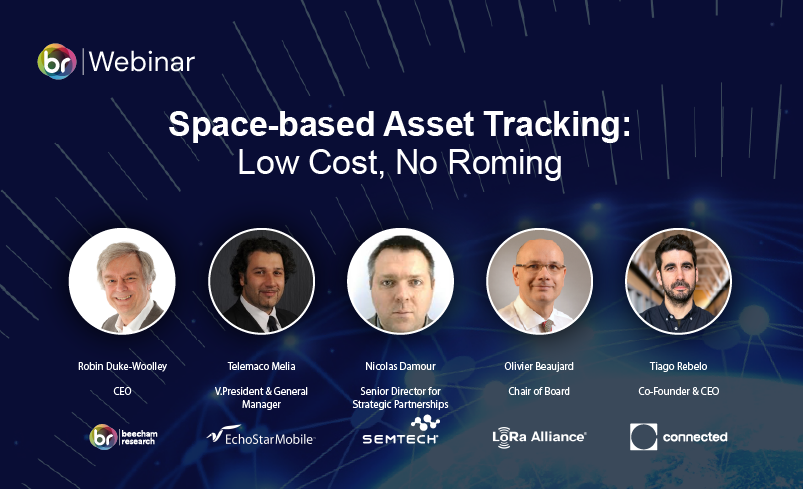
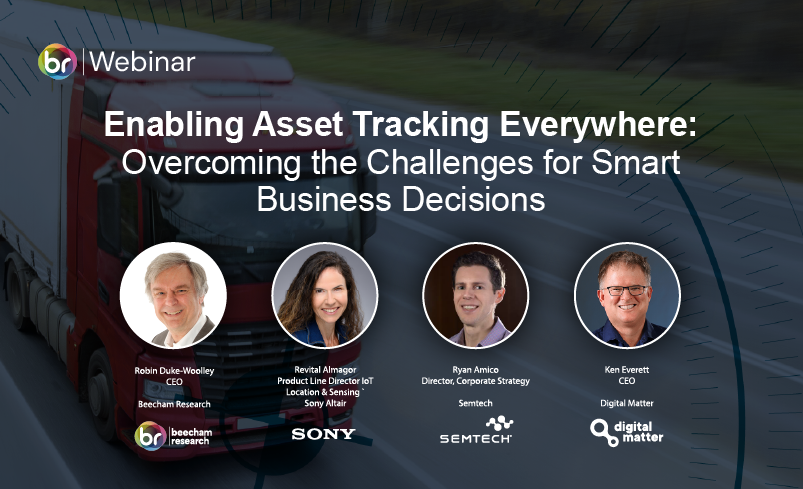


Join Beecham Research for an exclusive analyst briefing featuring an expert interview with Rony Cohen, Co-Founder of floLIVE.
This session explores the key challenges of expanding cellular connectivity for global IoT deployment, including roaming constraints, data sovereignty and regulatory barriers.
Watch Now >>
Tracking assets—whether goods, equipment, or people—is critical for business efficiency, security, and compliance. While satellite technology was once cost-prohibitive, new low-cost solutions are making global tracking more accessible than ever.
Read More >>
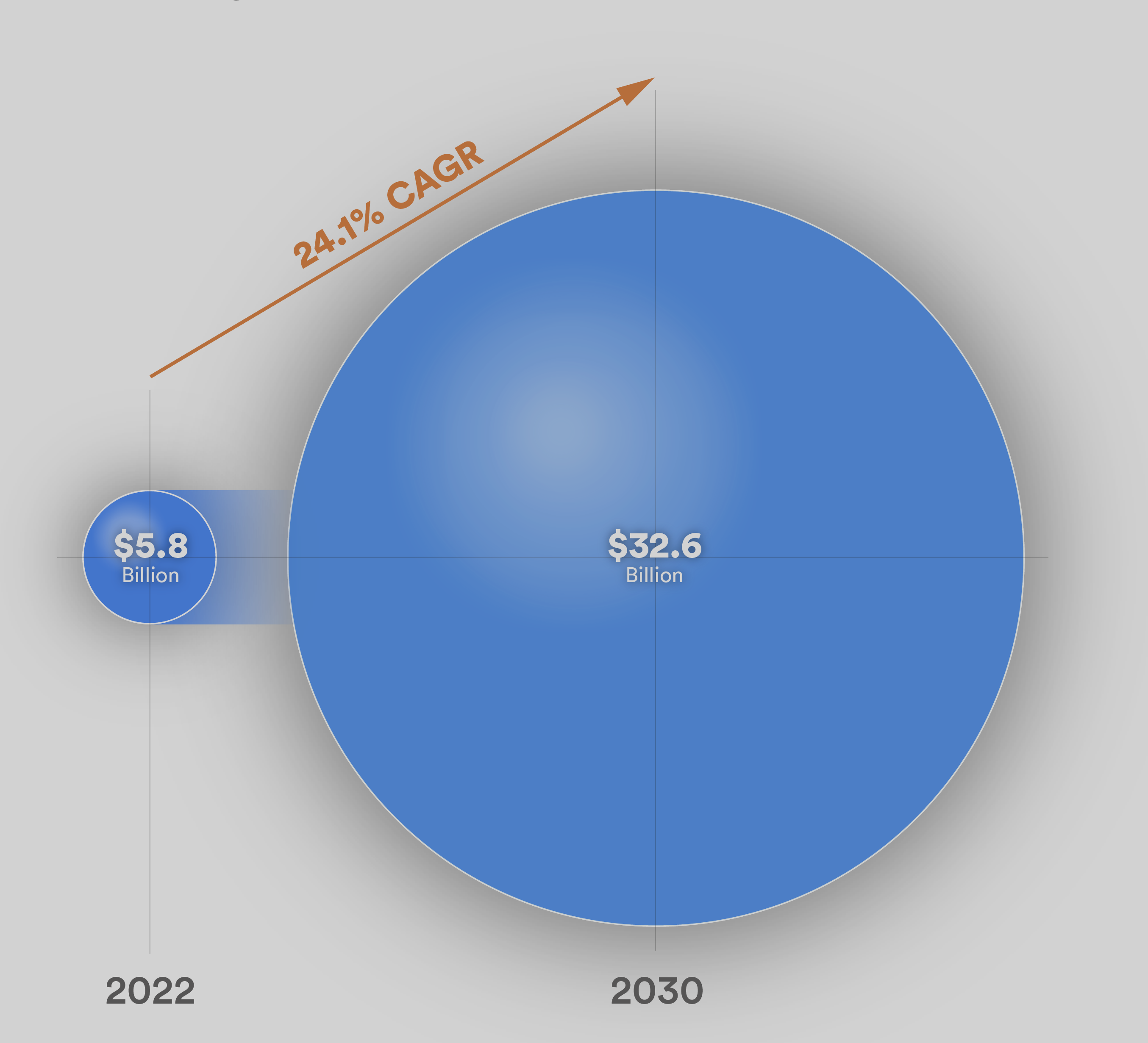
Edge AI is rapidly transforming business operations, with the market expected to grow from $5.8 billion in 2022 to $32.6 billion by 2030. By enabling real-time, low-latency processing, edge AI enhances productivity, reduces reliance on cloud computing and lowers costs.
Key benefits include: Faster decision-making and improved efficiency, Strengthened cybersecurity through local data processing, Reduced cloud bandwidth usage and energy consumption, Scalability for managing massive IoT data growth.
Read More >>
The EU’s Cyber Resilience Act (CRA) is set to transform IoT security worldwide, much like GDPR did for data privacy. By making cybersecurity best practices a legal requirement, the CRA compels manufacturers to integrate security into product design, manage vulnerabilities, and improve supply chain transparency.
Read More >>
With terrestrial networks covering less than 20% of the earth, satellite connectivity is becoming essential for global IoT solutions. Historically seen as costly, new developments such as low-power satellite using NB-IoT and LoRaWAN, ultra-low orbit nano-satellite services and hybrid networks, are making satellite IoT more affordable and accessible.
Read More >>

As cities embrace digital transformation, AI and IoT are revolutionizing public safety, traffic management, and environmental sustainability. Smart infrastructure, including AI-powered surveillance and predictive analytics, is enhancing crime prevention, reducing congestion, and improving air quality.
Read More >>
As sustainability becomes a top priority, IoT is playing a crucial role in optimizing energy efficiency, reducing carbon emissions, and meeting regulatory requirements. AI-driven energy management, real-time data analytics, and smart monitoring systems are helping industries—from real estate to manufacturing—track and improve sustainability performance.
Read More >>